A lovely surprise to find this little guy. I almost deleted the photo, as I thought it was one of the many white-breasted nuthatch photos I had taken earlier that day. Luckily, I met a couple of real birders who told me to keep an eye out for the pigmy nuthatch. I took a closerContinue reading “Pigmy Nuthatch”
Tag Archives: birds
Sparrows
According to the American Bird Conservancy, there are 48 species of sparrow in North America. Three species common to my area are featured here. For I.J.’s Birds of the Week Invitation LXXX
Ruby Throated Hummingbird
My confused pear tree doesn’t know whether to drop its leaves or grow more pears. The hummingbirds are certainly enjoying the flowers. I have always viewed hummingbirds as delicate, free spirits. After watching them for a bit, it is clear that they are quite assertive, if not aggressive. They promptly chase away any other birds,Continue reading “Ruby Throated Hummingbird”
Black-Crowned Night Herons
So, I cheated a bit… I love the thrill of finding and photographing birds in the wild, but I couldn’t resist “capturing” these black-crowned night herons in an aviary at Brookgreen Gardens in South Carolina. They are native to the area. I. J.’s Birds of the Week Invitation LXXV
Turkey Vulture
Widespread throughout North America, these birds are known for several unappealing characteristics, including eating roadkill, vomiting on animals (e.g. humans) that get too close, and defecating on their own feet to cool themselves. Despite these traits, one cannot help but be intrigued by their large wingspan, as they gracefully soar on thermals in the sky,Continue reading “Turkey Vulture”
A Cento: Herons at Sunrise
I climbed through woods in the hour-before-dawn dark;I wandered lonely as a cloud,from purple forest to golden sky;a thin wet sky, that yellows at the rim,and meets with sun-lost lip the marsh’s brim.Cold water-mouths move and singand the night herons brood in their heronry like yoga masters.Tell me is there anything lovelier?I resisted the madContinue reading “A Cento: Herons at Sunrise”
Redhead
I photographed these North American diving ducks while they were wintering at a natural pond in the Miami zoo. Redheads tend to winter in the southern and eastern regions of the United States, Mexico and the Caribbean. Spring migration brings them further north and west in the U.S. and into Canada to breed. The maleContinue reading “Redhead”
Royal Terns
Why do the Terns stand there so?Still as statuesFaces to the windIs there hope for stillness on a summer day?When crowds of beach-goers line the shoresCertain to provoke flight I. J.’s Birds of the Week Invitation LXVIII Eugi’s Moonwashed Weekly Prompt – Hope for
Northern Cardinal Family
A common bird in the eastern half of the United States and Mexico. A non-migrating species so revered for its year-round vibrant red that it is honored as the state bird in seven different states, including North Carolina. I find the females to be quite lovely as well. She is also unique in that sheContinue reading “Northern Cardinal Family”
Tricolored Heron
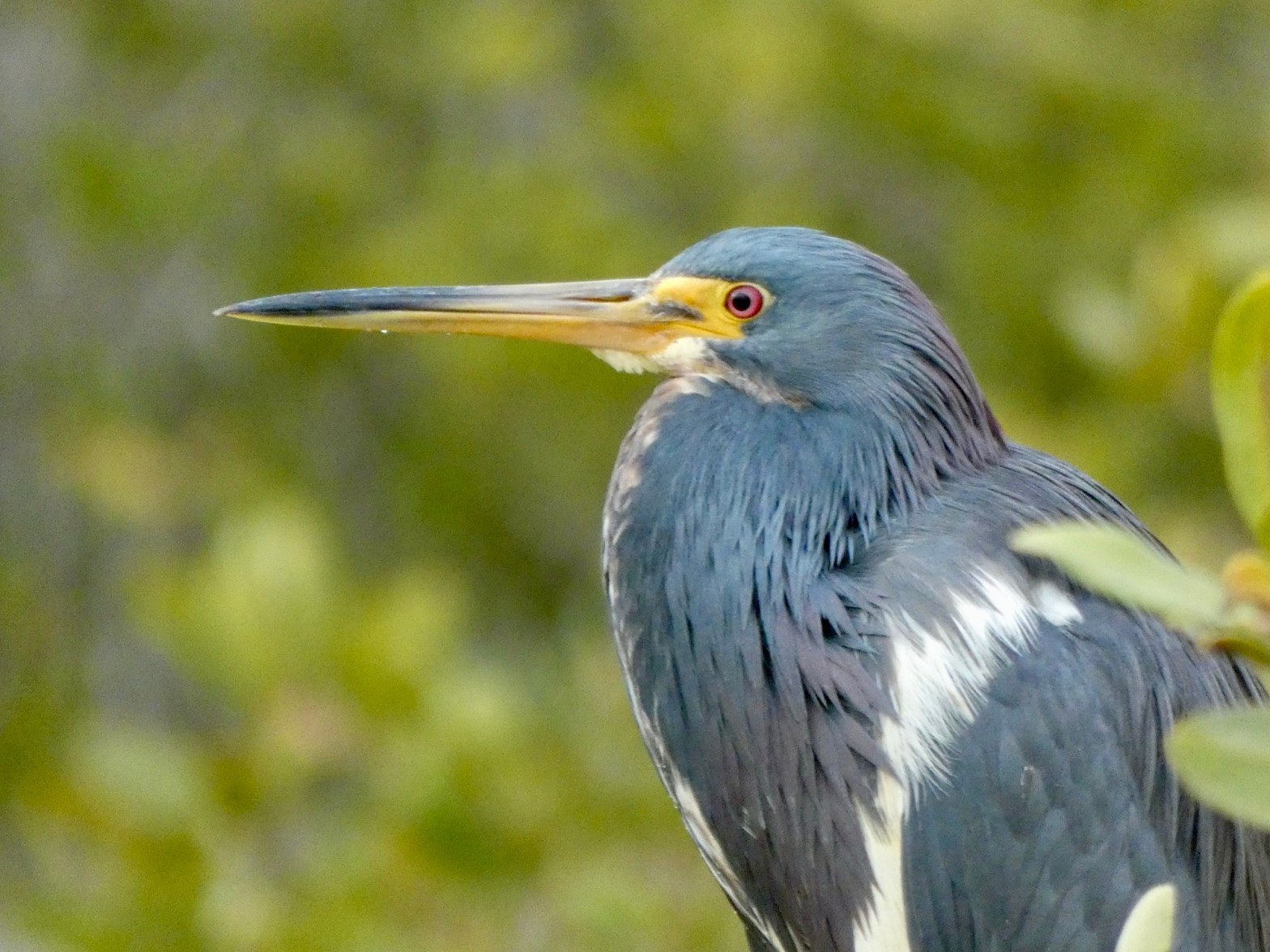
Native to coastal regions of the Americas and Caribbean islands. I. J.’s Birds of the Week Invitation LXI
 JJJ Interactive Books