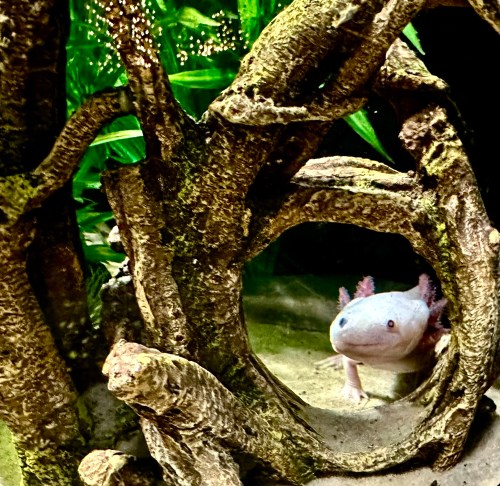
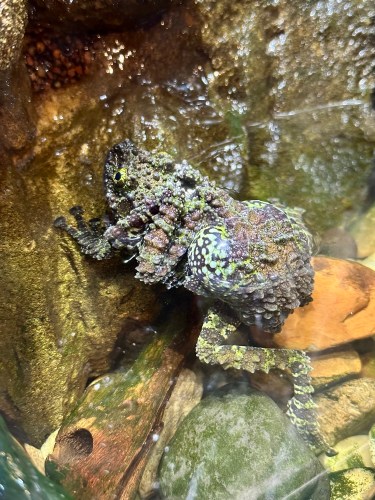
Delicate creatures
Peak our curiosity
We destroy their natural habitats
Offer our protection
Attempt to educate the public
Sandee’s Awww Mondays
Books and Poetry
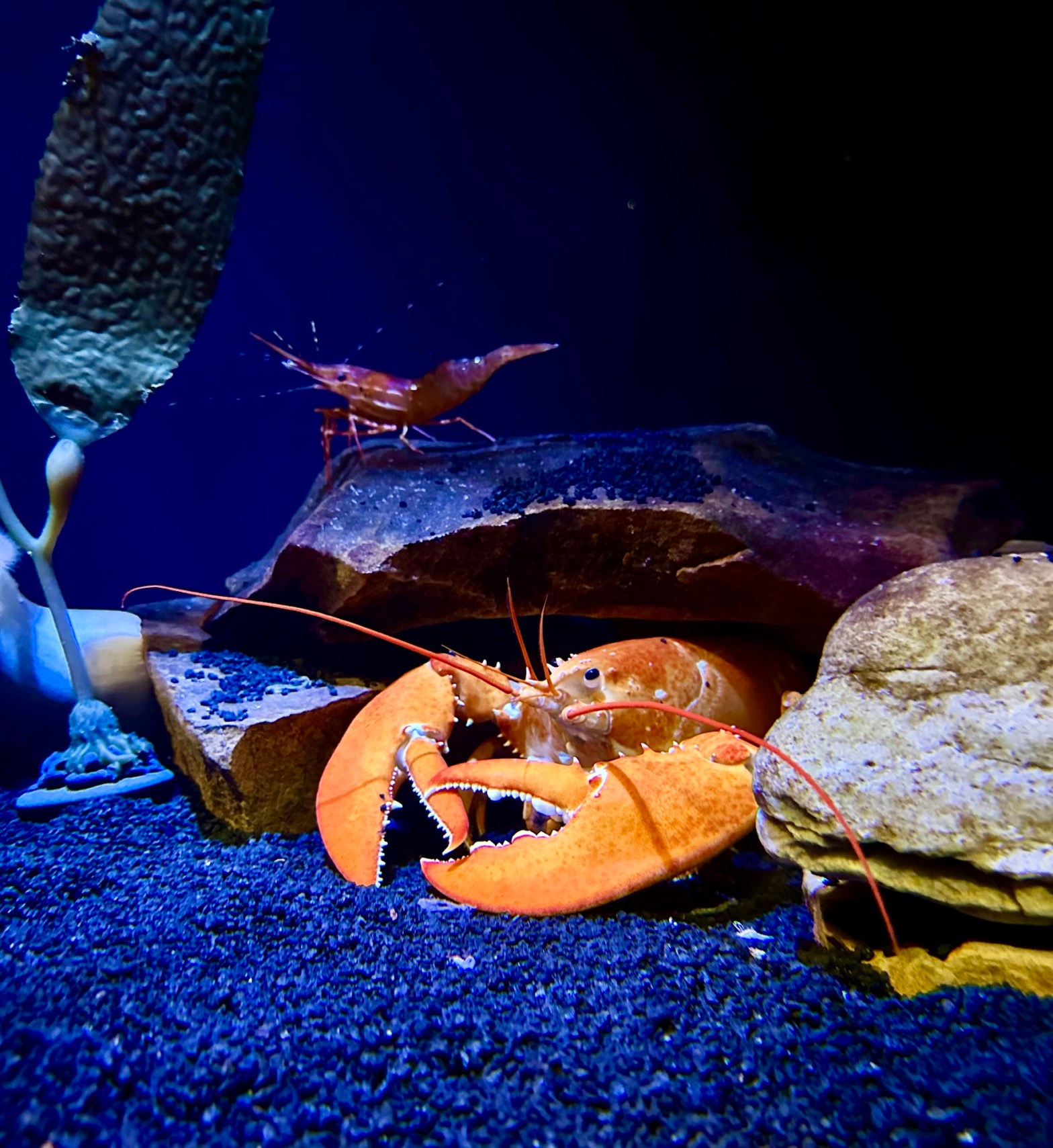
Delicate creatures
Peak our curiosity
We destroy their natural habitats
Offer our protection
Attempt to educate the public
Sandee’s Awww Mondays
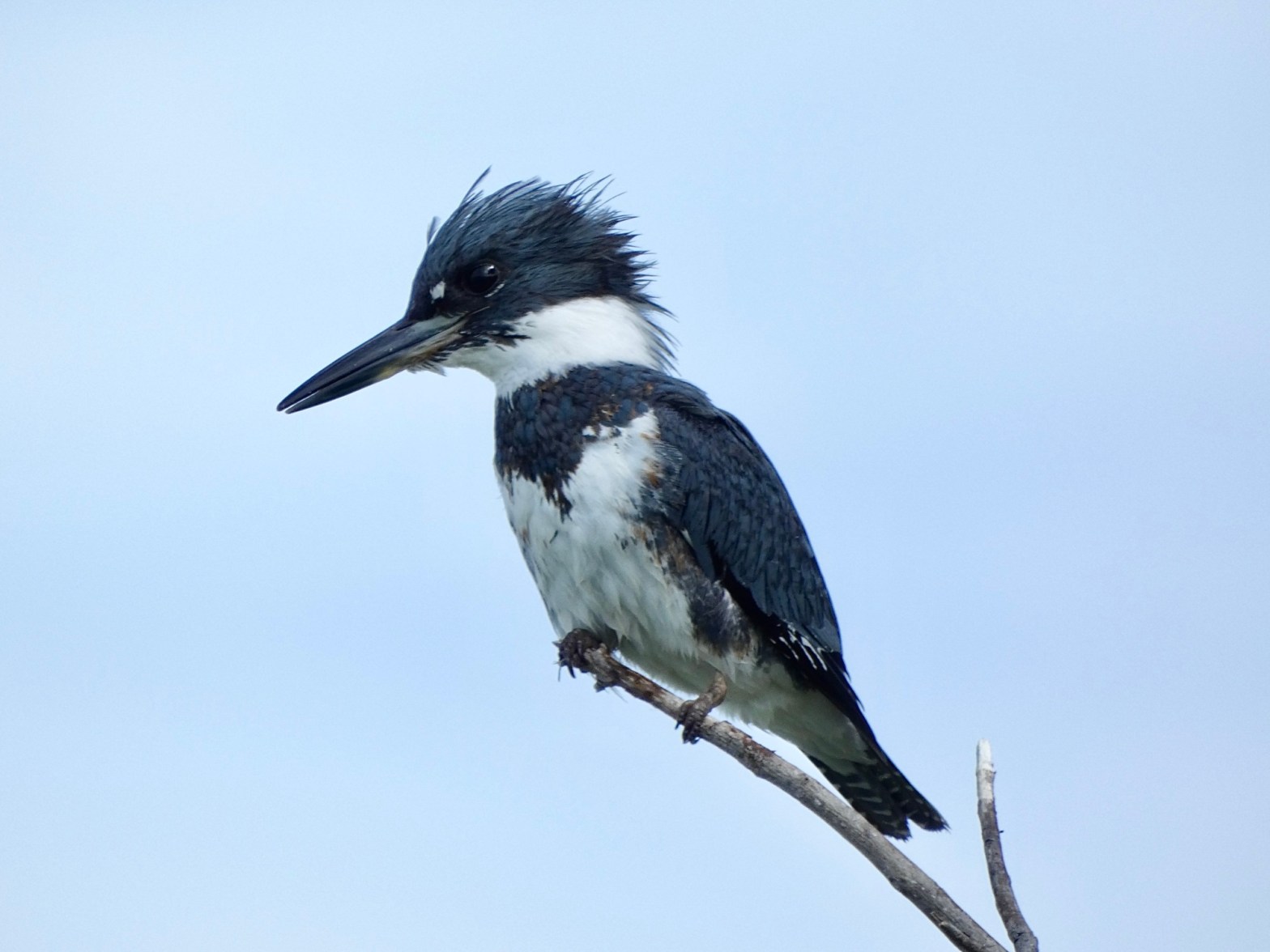
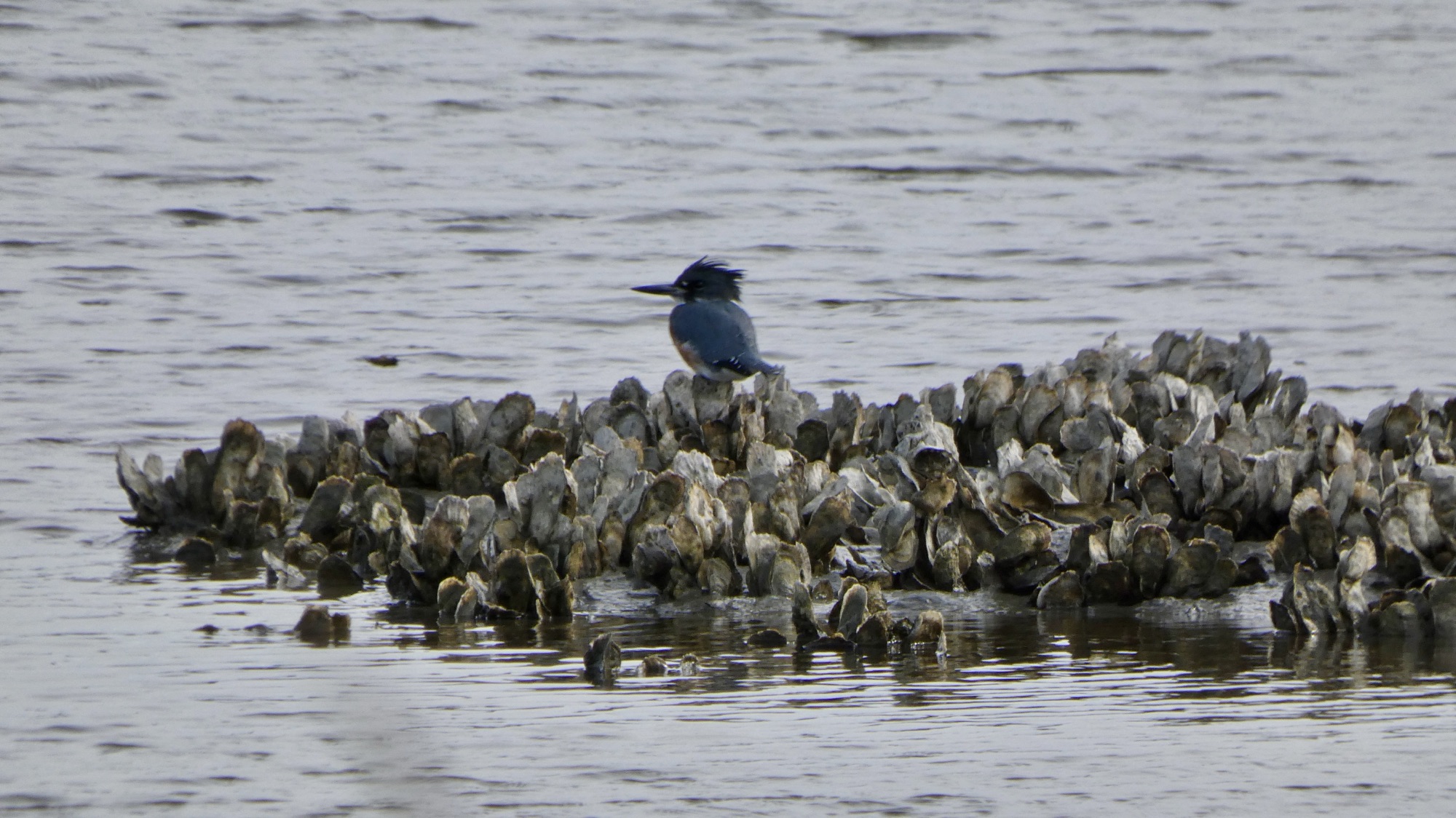
I wait in silence
Certain of my advantage
A little patience
Delivers delicious fish
Exuberantly gobbled
W3 Prompt #188: Wea’ve Written Weekly poet of the week, Indira, prompts us to write in any form and on any subject, adding a “comic touch.”
Sammi’s Weekend Writing Prompt #445 – Wait (16 words)
I. J.’s Birds of the Week Invitation CXLV

They hide themselves
when needed most
Lost then found
and set upon my nose
Smudges smeared further
Cursory rub with shirt cloth
before sprayed and polished
by microfiber swath
Blurs turn to clarity
For a while at least
Until glasses laid down
and the cycle repeats
W3 Prompt #186: Wea’ve Written Weekly poet of the week, Dennis, prompts us to write a 12 line poem about an object that “simply is.”
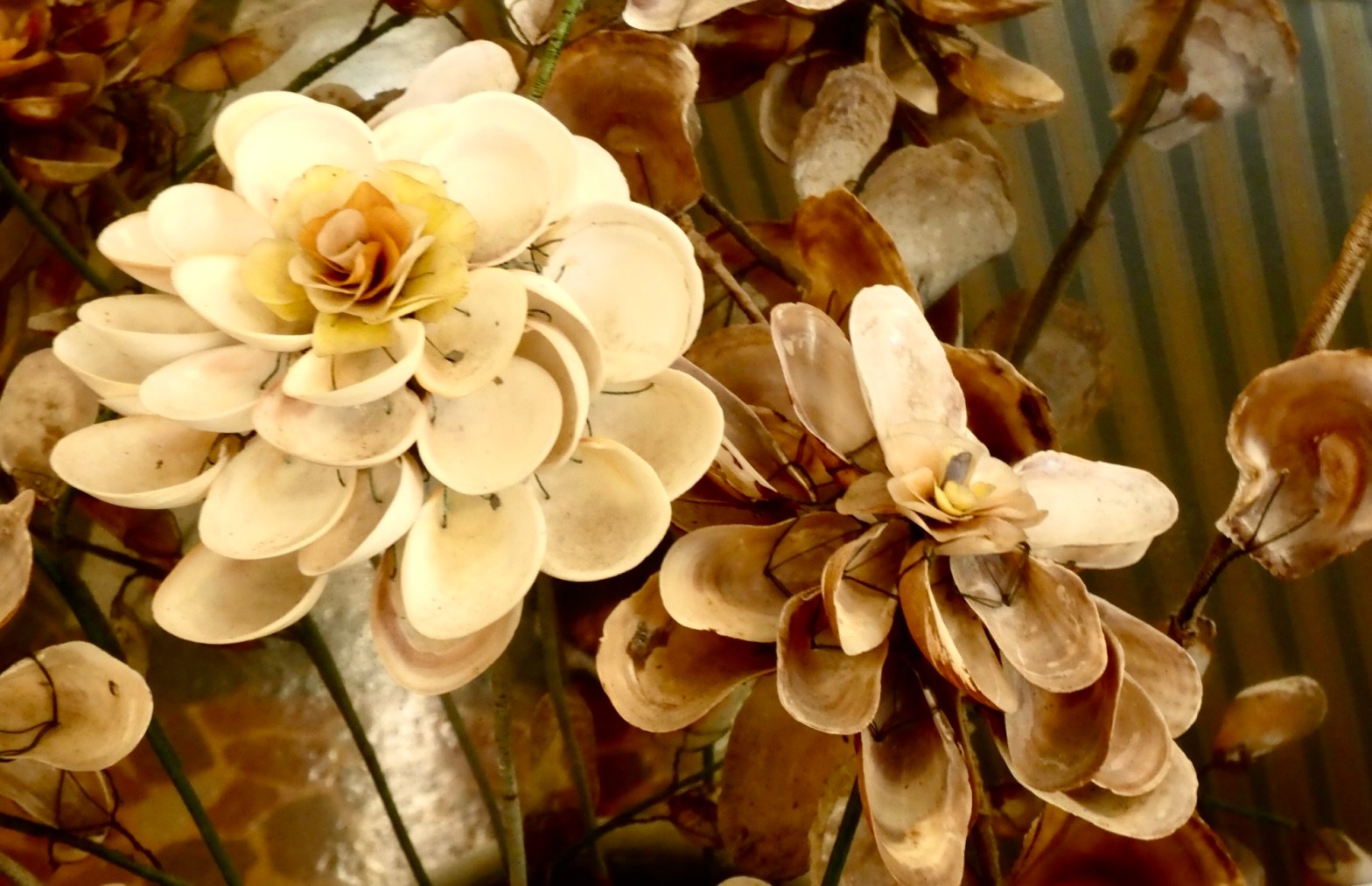
Nature in new form
Creative hands assemble
Shells into flowers
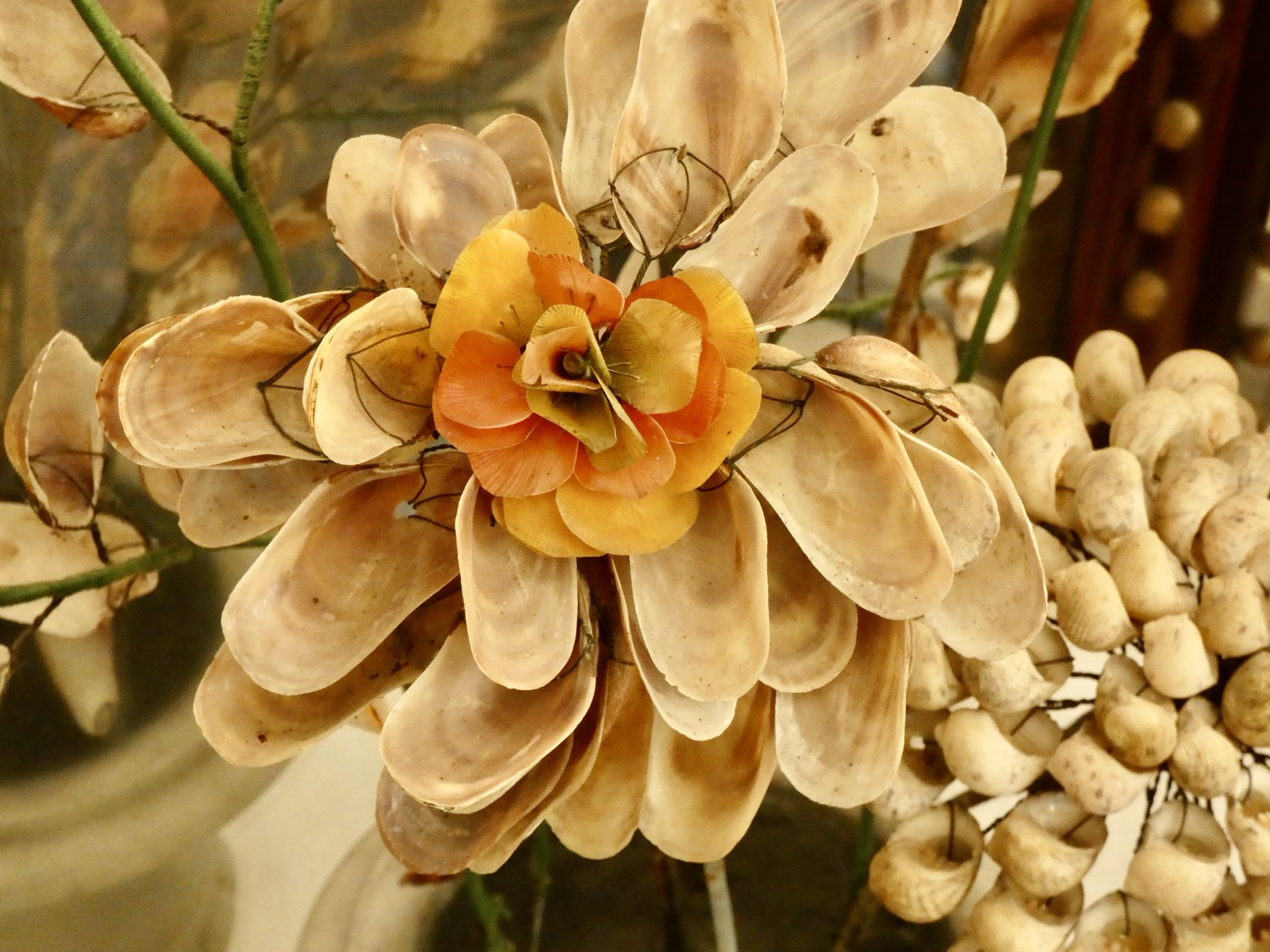
Terri’s The Flower Hour #7

A pleasant night under bright starlight
The hoot-hoot of an owl, a distant howl
I sit and contemplate my significance
Thoughts surface, as I ponder my purpose
Unwittingly resigned to a wandering mind
I sit and ruminate on life
But the moon disrupts my disorderly conduct
It waves to Regulus and winks to Venus
I sit in awe of the night sky
Enchanted I rock as the clock tick-tocks
Father Time sings a nursery rhyme
And ushers me off to bed
W3 Prompt #185: Wea’ve Written Weekly poet of the week, Shaun, prompts us to write a poem utilizing internal rhyme.
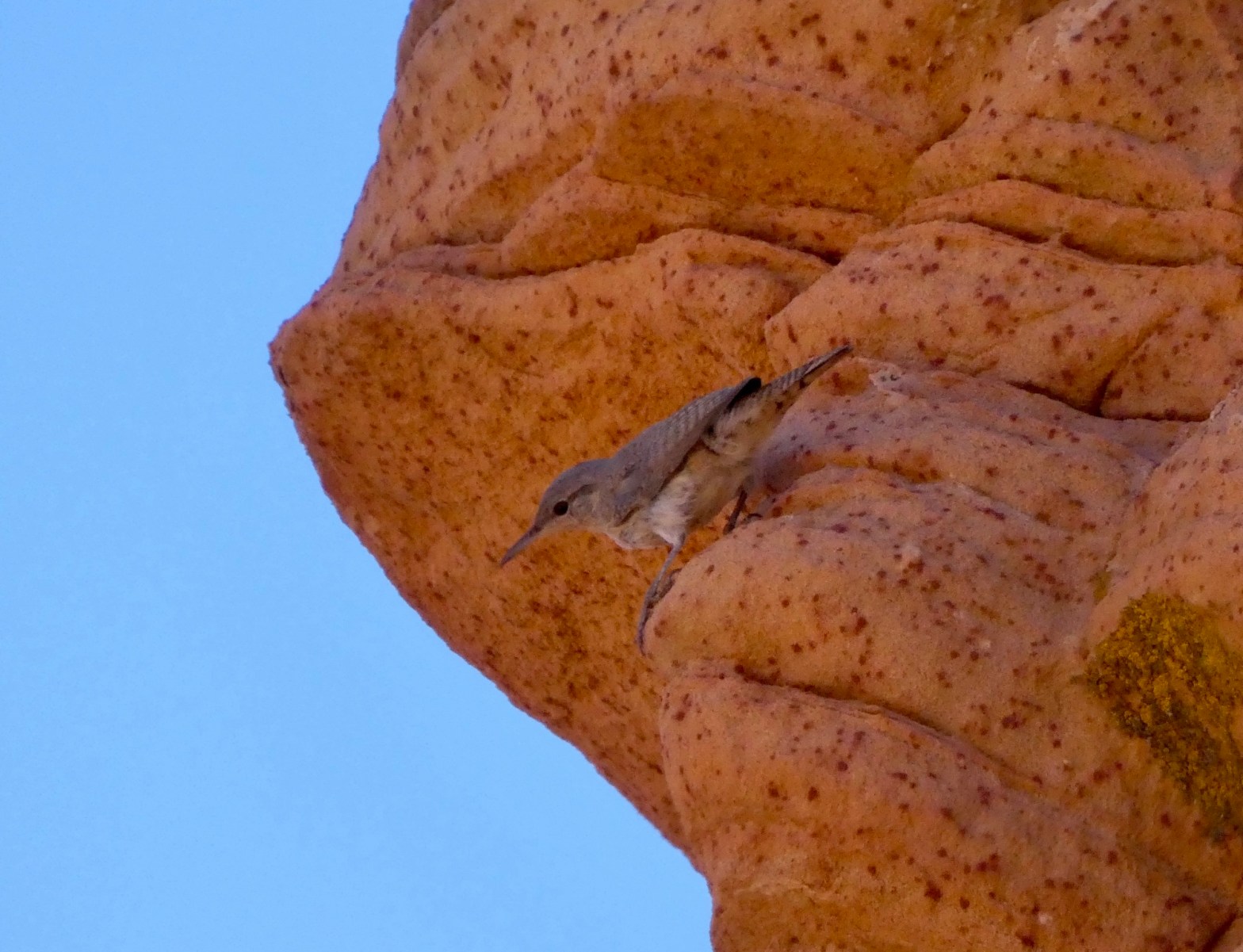
Withering desert heat
Grown men whine like small children
Only the strong thrive
Little songbirds sing from rocky outcrops
Warning the weak and weary wanderers
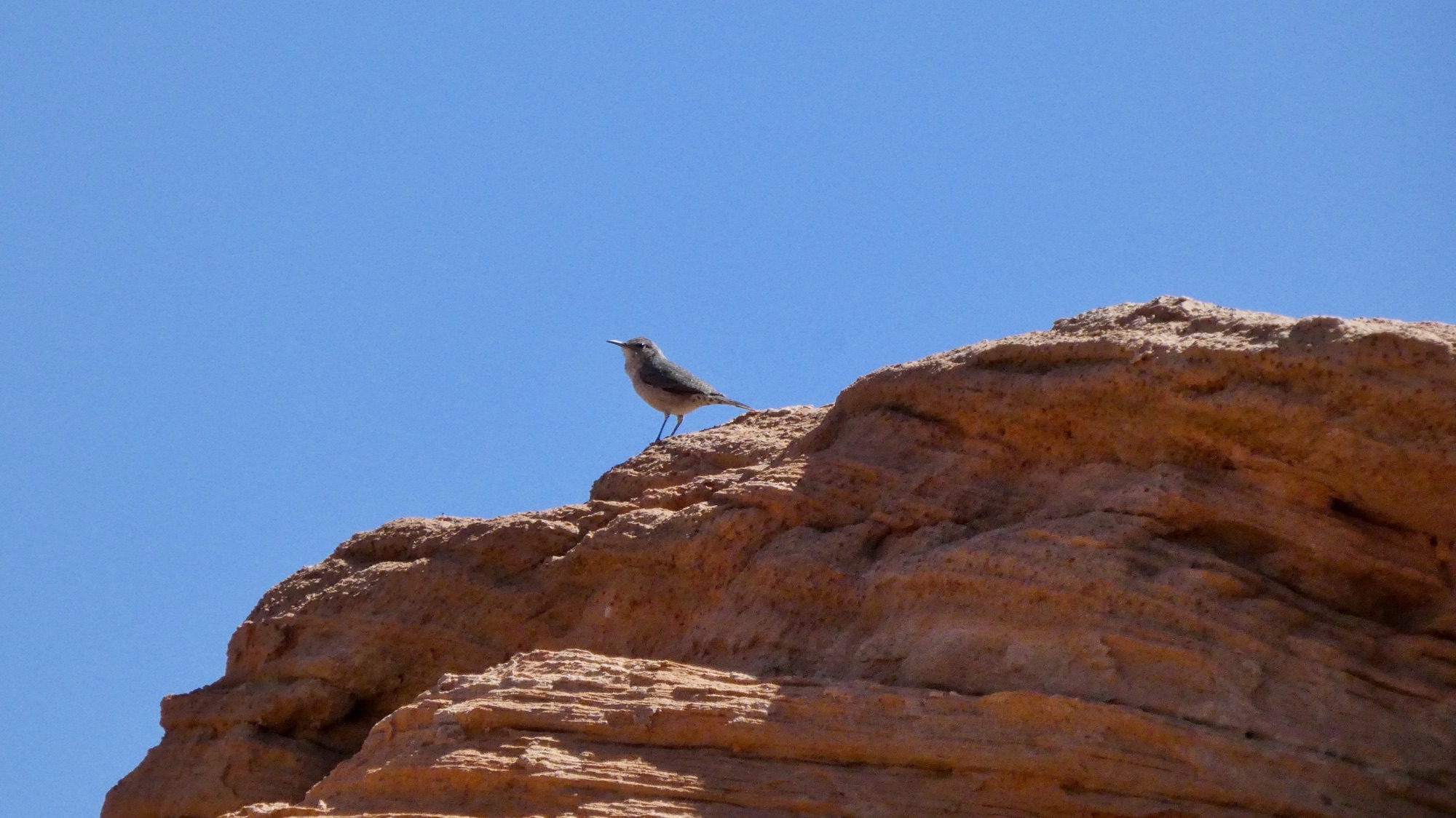
I. J.’s Birds of the Week Invitation CXLII

Feel it
The chill seeps in
No need for The Sandman
Tucked under comfort of duvet
Sleep comes
Ronovan’s Cinquain Poetry Prompt 26: CHILL
Colleen’s TankaTuesday Poetry Challenge No. 38

Featured image generated with AI and modified by author.
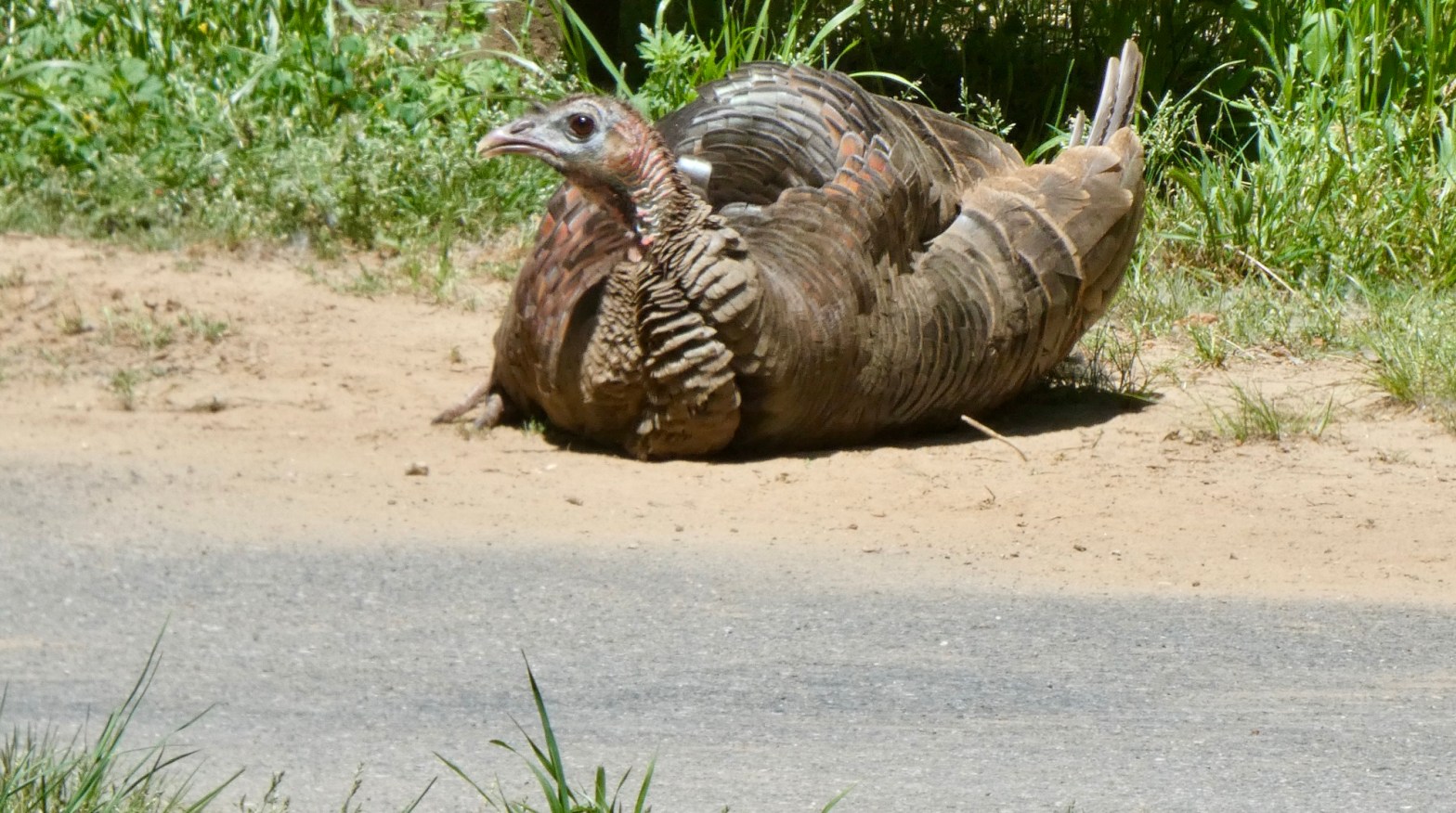
I decided to soak up some sun
Take a dust bath in sand – so much fun!
But I heard on the way
Is Thanksgiving day
So it’s probably best that I run.

I. J. ‘s Birds of the World Invitation CXLI
Sandee’s Awww Mondays

Colorful leaves whirl across a gray sky,
as the aroma of brewed coffee
swirls about the kitchen.
A pot of bubbling liquid is filled
with oats, cinnamon, nutmeg
and an oozy dollop of maple syrup.
Engulfed in warm comfort
on a crisp autumn morning.
dVerse Quadrille #235 hosted by De.
W3 Prompt #184: Wea’ve Written Weekly poet of the week, Marion, prompts us write any form on the theme of comfort food.
Featured photo generated with ChatGPT.

Magic concoctions
Ancient voodoo rituals
The undead exhumed
Revived under veil of night
Condemned to grim servitude
TankaTuesday Poetry Challenge No. 37, hosted by Yvette.

I recently visited the Musée des Confluences in Lyon, France and was fascinated by their special exhibit: “Zombies – the origins.” For those interested, the following is the museum’s description of the zombification process:
“The process of zombification is precisely structured: the sorcerer (bokor) prepares the poison using a toxic fish… mixed with other venomous plants or animals along with powdered human bones. The preparation is then applied to the clothes of the victim.
A few hours later, when the poison takes hold, the victim appears to be dead. Burial takes place quickly and death certificates can be signed by two witnesses from the secret society. The following night, the bokor defiles the tomb and unearths the ‘corpse,’ restoring the victim to life with the help of an antidote and whipping them with long grass.
Thus stripped of both freedom and free will, the zombie may live on for several years in the service of the bokor… The zombie’s state of torpor can be maintained by depriving them of salt… When the bokor dies, or the drugging stops, the zombie may recover a degree of consciousness and potentially become free again.
Since the controversial research of Canadian ethnobotanist Wade Davis in the 1980s, who described this process in detail, we now know that the zombification process is in fact much more complex. Experiments conducted by Japanese researchers have shown that tetrodetoxin probably plays a very minor role in the process, at best. The concept of zombification is about far more than simple chemistry, and involves an entire system of beliefs and traditions.”

 JJJ Interactive Books