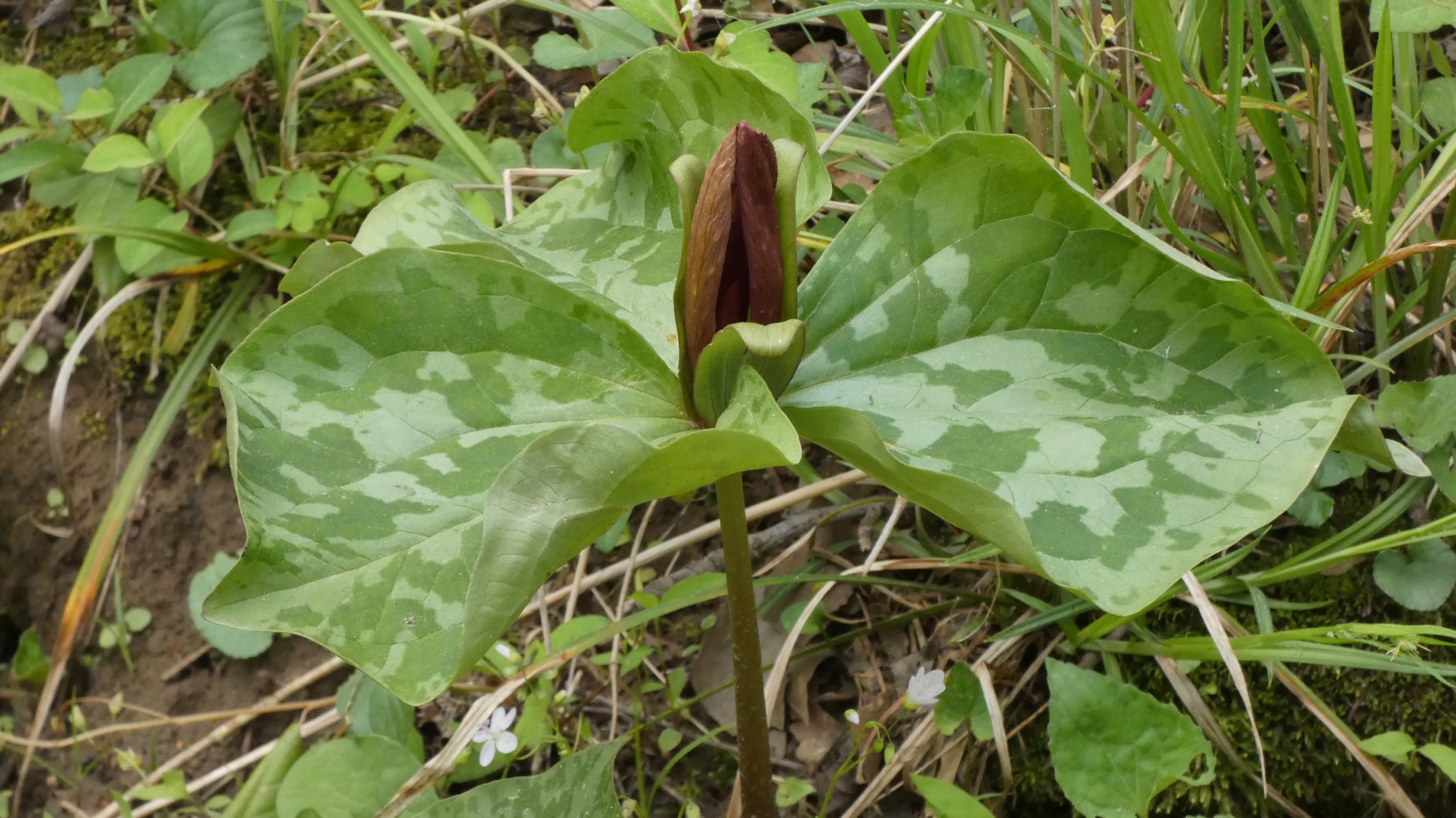
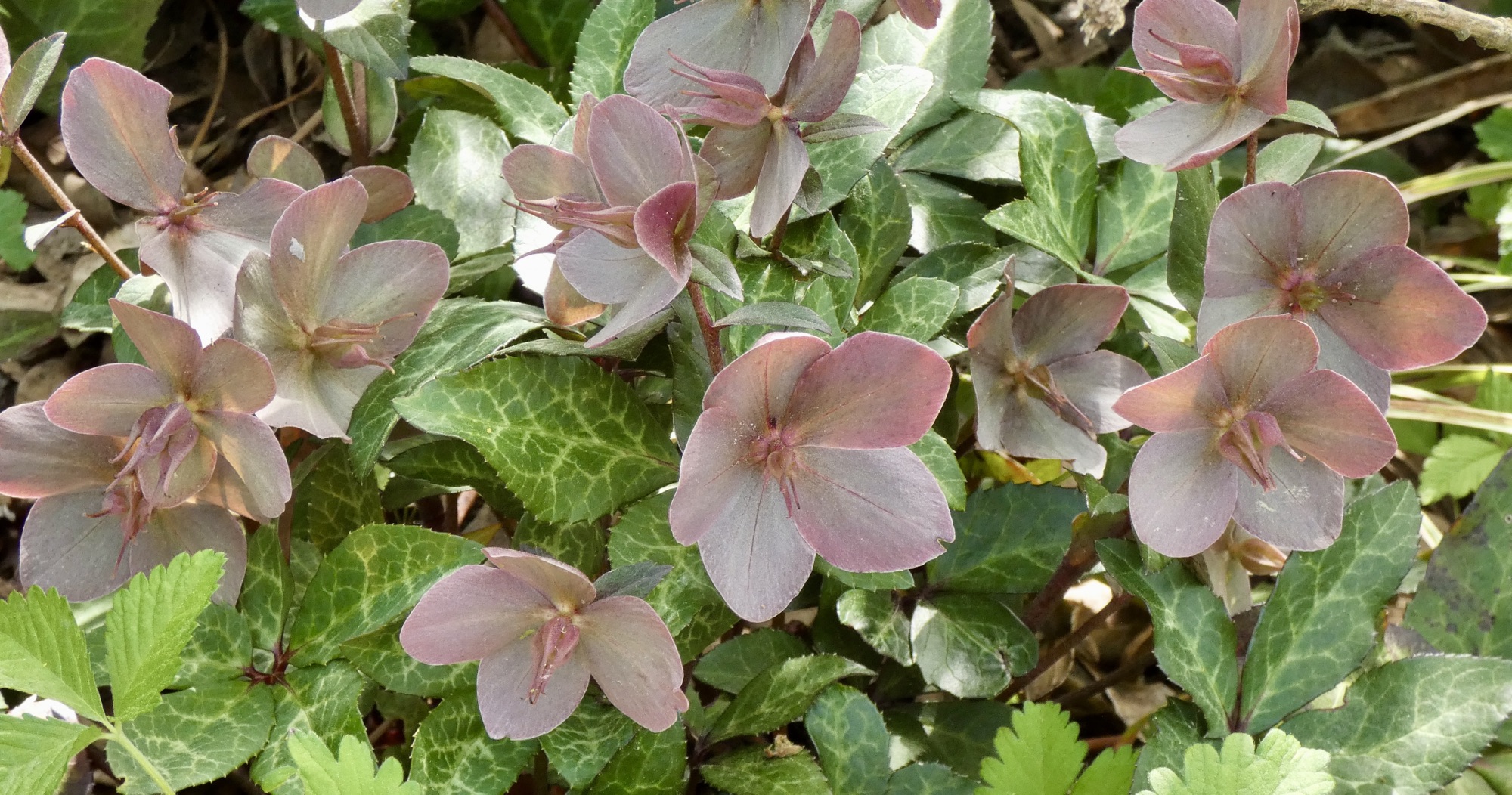
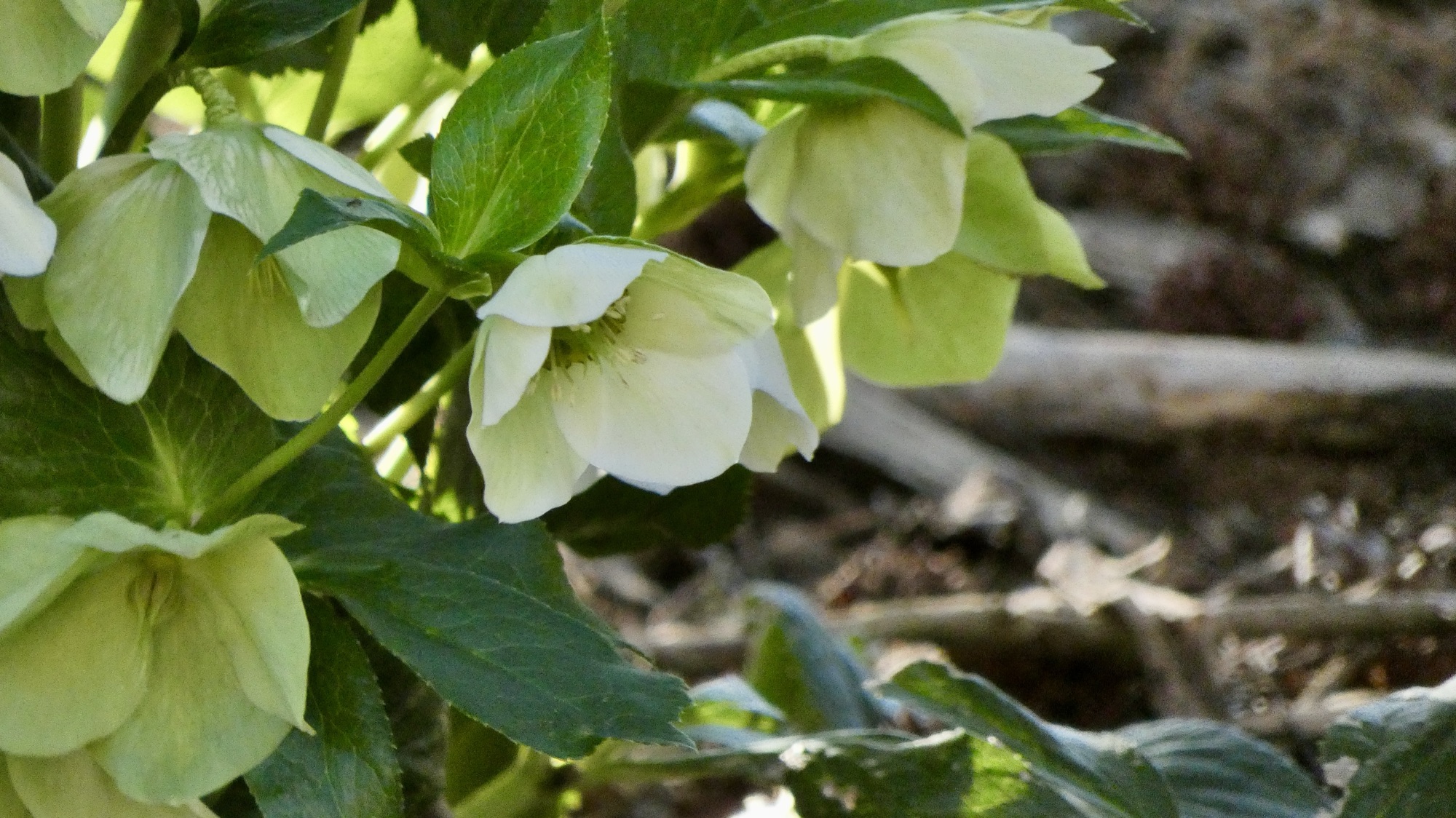
I search through my wildflower photos anticipating a difficult time choosing which photo to use in my native spring flower post. Instead, I discover the difficulty is in finding a “native” wildflower.
Little Sweet Betsy
Demure natural treasure
Fragrant bloom displayed
“2. Peru: The Wayra – A popular form originating in Peru/Bolivia from the indigenous Quechua people. The word wayra means wind in the Quechua language. This short syllabic verse has 5 lines with a syllable count of 5/7/7/6/8. It is unrhymed and incorporates onomatopoeia within the verse. How about a theme of urban life?”
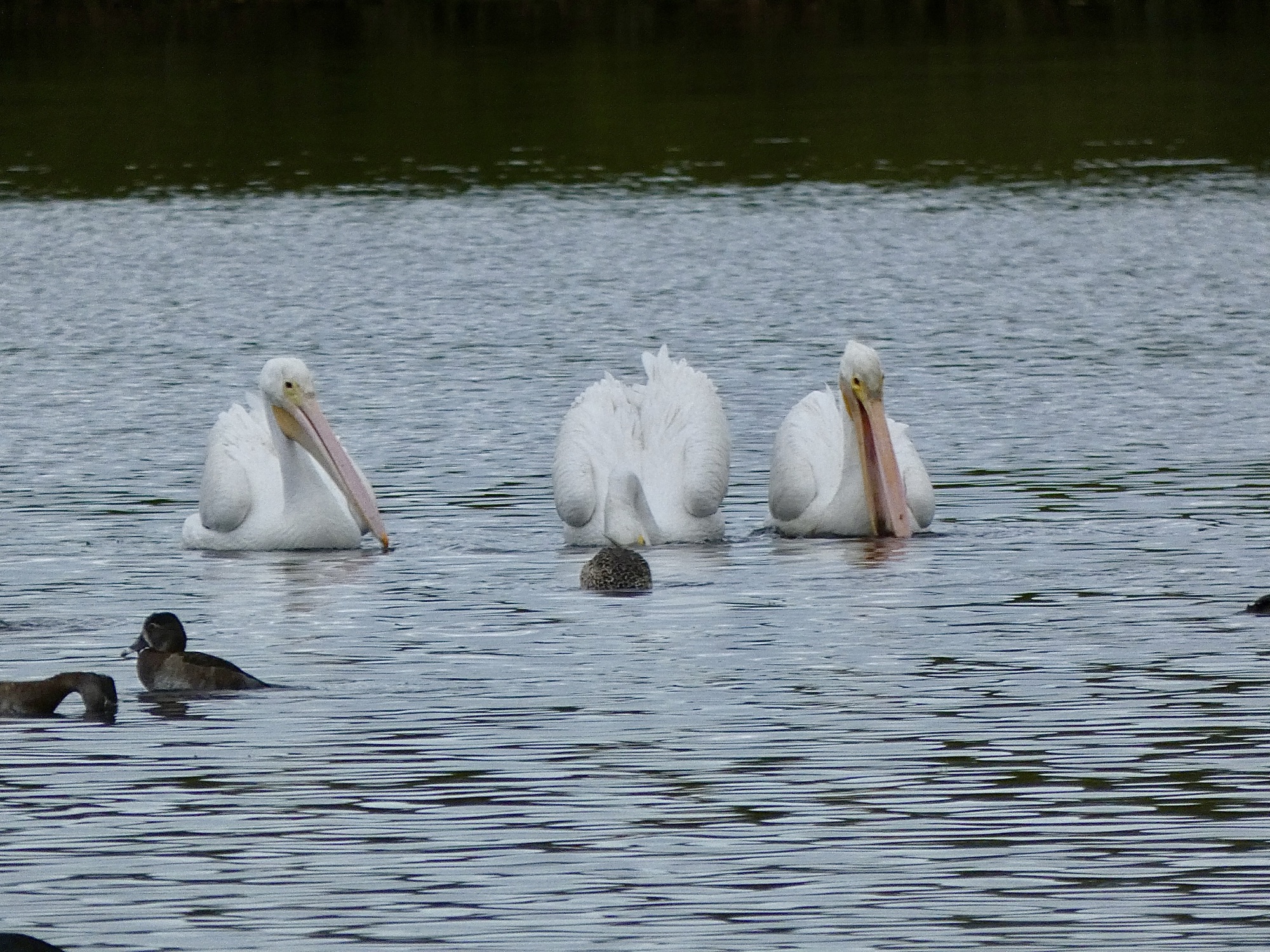
To watch a large white pelican
soar to great heights
and arrive in formation
among its companions,
is a marvel indeed -
for its landing is most ungraceful,
its disproportionate beak
threatening to plunge the bird
into the water’s depths.
It is the awkwardness
that I find most endearing.
dVerse Poetics – Maggie Smith and Conversational Mode of Address hosted by Sanaa (aka adashofsunny).
Purple is not a color commonly found in nature, with the exception of flowers! I narrowed my many purple flower photos down to two flowering vines. Neither are native to the United States, but have been planted for their ornamental properties.
I wish I could upload the fragrant smell of the wisteria. A beautiful flowering vine in the legume family. Unfortunately, the blooms are short-lived and their vines are known to take over trees and other vegetation, if not kept under control.
Wisteria
The clockvine was photographed in an outdoor courtyard in Miami. Native to south Asia, it is not difficult to see why this striking flower was introduced to southern U.S. landscapes.
“3. Ireland: Treochair – An Irish form consisting of tercets (3 line stanzas) of any number. It is syllabic with 3/7/7 syllables per stanza and a rhyme scheme where the 1st and 3rd lines of a stanza rhyme. Heavy alliteration is expected with all 3 lines within a stanza. You may find inspiration in Lies versus Truth…”